Castle Hill and Berkhamsted Castle wedding flowers guide
Posted on 20/10/2026
Planning flowers for a wedding at Castle Hill or Berkhamsted Castle is one of those jobs that looks simple at first, then suddenly turns into colour palettes, timing windows, transport worries, and a lot of "will this actually work in the room?" questions. That is exactly why a Castle Hill and Berkhamsted Castle wedding flowers guide matters. These venues have character in spades, but they also ask for thoughtful floristry that suits the setting rather than fighting it.
If you are choosing wedding flowers here, you are probably trying to balance beauty, practicality, and budget without losing the atmosphere that made you book the venue in the first place. Good instinct. The right flowers can soften stone, brighten historic spaces, frame photos beautifully, and make the whole day feel intentional from the first bouquet to the last table arrangement. This guide walks you through the choices, the common traps, and the details that tend to matter most on the day.
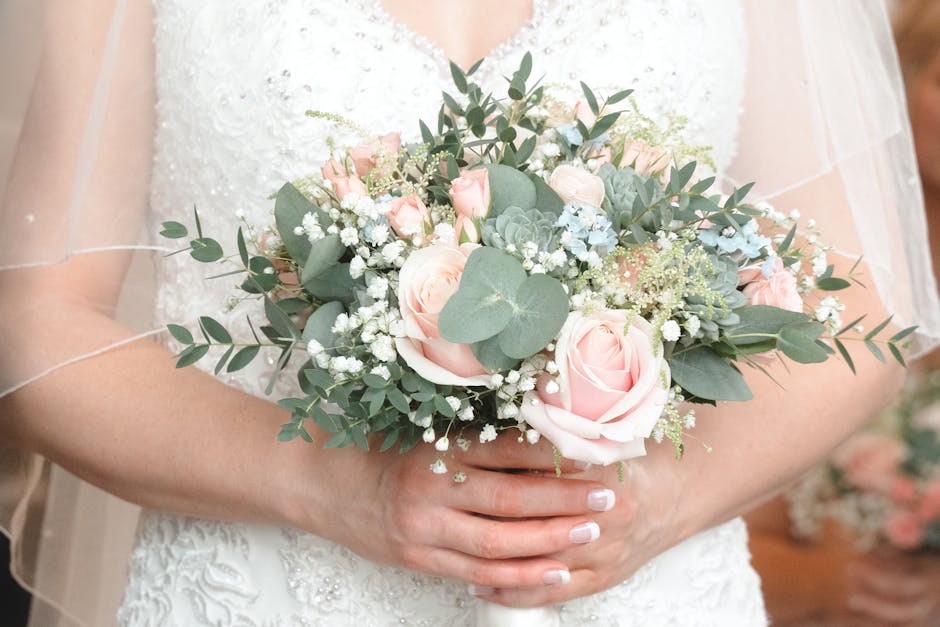
Why Castle Hill and Berkhamsted Castle wedding flowers guide Matters
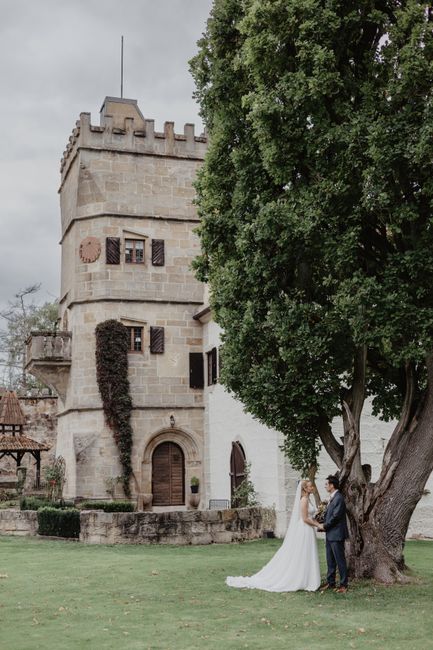
Historic venues have their own visual language. Castle Hill and Berkhamsted Castle both bring a sense of depth, texture, and heritage that changes how flowers read in photographs and in person. A bouquet that looks lush in a modern hotel might feel oversized or oddly formal here. A very minimal arrangement, on the other hand, can disappear against stone, timber, or large architectural features. The point is not to overwhelm the venue. It is to echo it.
That is where a proper guide earns its keep. You need flowers that support the setting, the season, and the flow of the day. You also need arrangements that survive movement between ceremony, drinks, group photos, and reception spaces. In real life, floristry at a castle-type venue is as much about logistics as aesthetics. Not glamorous, perhaps, but absolutely part of getting it right.
There is also a practical side. Historic sites often have tighter access, more careful set-up windows, and surfaces you cannot treat casually. So if you know in advance what style of floral design suits the venue, you save time, reduce stress, and avoid expensive late changes. Simple idea. Big difference.
For couples who want flowers that feel refined but not fussy, choosing a florist who understands wedding work is worth a lot. If you are also exploring broader options for your celebration, it can help to look at the full range of wedding flowers and venue pieces available alongside your bridal florals.
How Castle Hill and Berkhamsted Castle wedding flowers guide Works
The process usually starts with the venue itself. What does the space already do well? Where are the strongest sight lines? What colours are in the background? Are you inside a hall, outside in the grounds, or moving between areas? Once you answer those questions, your flower plan becomes much clearer.
Here is the usual flow:
- Assess the venue tone. Castle settings often lean naturally romantic, classic, and slightly formal. You may want flowers that either complement that mood or deliberately soften it.
- Choose a visual direction. This might be pale and airy, rich and dramatic, garden-inspired, or clean and modern. The venue does not decide everything, but it does narrow the field.
- Map the key floral moments. Most weddings need a bridal bouquet, bridesmaid bouquets, buttonholes, ceremony flowers, reception arrangements, and possibly corsages or gifts.
- Check scale and placement. Tall arrangements can look beautiful in a large room, while compact designs may work better where space is tight. You do not want flowers blocking faces in photos. No one wants that awkward side-step in the aisle.
- Plan the timeline. Flowers need to arrive fresh, be set up in the correct order, and stay presentable through the day. That is especially important for summer weddings or longer venue schedules.
In practice, the best result usually comes from keeping the design coherent. Your bouquet, table arrangements, and buttonholes should feel related, even if they are not identical. A guest may not be able to say why it works, but they will notice that it does.
If you want bridal and attendant flowers that are coordinated without feeling too matchy, the dedicated bridal bouquet collection and bridesmaid bouquets are a helpful place to start shaping the look.
Key Benefits and Practical Advantages
A well-planned flower scheme does more than look pretty in the aisle. It affects the whole feel of the day. Here are the main advantages couples usually care about.
- Stronger venue harmony. Castle architecture is already doing a lot. Flowers should support it, not compete with it.
- Better photos. Fresh blooms in the right scale can lift portrait backdrops, table shots, and ceremony images instantly.
- Less stress on the day. A clear floral plan avoids last-minute confusion about where items go and who moves what.
- More efficient spending. Once you know the priority areas, you can place the budget where guests will actually notice it most.
- Improved guest experience. Flowers influence the room's atmosphere in a subtle way. Guests feel it, even if they never say it out loud.
There is another advantage people underestimate: flowers help unify the story of the wedding. You can have a beautiful dress, a stunning venue, lovely stationery, and still feel slightly disconnected if the florals do not pull the aesthetic together. When the palette and texture choices are right, the whole day feels more intentional.
Practical takeaway: for a castle wedding, think in layers. Build the design around one or two strong focal points, then repeat the same colours and shapes lightly across the rest of the day.
If you are working within a tighter budget, it can be sensible to focus on a small number of high-impact pieces and use simpler supporting arrangements elsewhere. A good florist will usually know where the visual return is strongest. That said, people do get carried away by Pinterest. Happens all the time.
Who This Is For and When It Makes Sense
This guide is for couples who want flowers that suit a heritage venue and still feel personal. It is especially useful if you are getting married in a setting where the background matters as much as the arrangements themselves.
You will find it most useful if you are:
- planning a ceremony in a historic or castle-style venue
- trying to decide between classic, natural, romantic, or modern floristry
- working out how many arrangements you actually need
- trying to keep the design elegant without over-ordering
- balancing local venue details with broader wedding styling choices
It also makes sense if you are already sorted on the venue but not yet on the flowers. In that case, start with the non-negotiables: bouquet, buttonholes, ceremony focal pieces, and reception tables. Then decide whether to add extras like stairway flowers, corsages, or a statement arrangement for the top table.
For couples who want something straightforward, a florist-led wedding collection can be a good fit. If you prefer to keep things elegant and cohesive, a style such as White Wonders or Pure Romance gives a strong starting point without making the planning feel endless.
Truth be told, if you are the kind of person who can spot a clashing ribbon from across the room, this section is probably for you.
Step-by-Step Guidance
Here is a practical route to planning wedding flowers for Castle Hill and Berkhamsted Castle without spiralling into decision fatigue.
1. Start with the venue layout
Look at the ceremony space, reception room, entrance points, and any outdoor areas. Note where guests will naturally look first. These are the places where flowers have the biggest impact. If you are unsure, walk through the venue if possible, or study floor plans and photos with a close eye.
2. Decide the mood before the flowers
Do you want soft and romantic? Regal and structured? Relaxed garden style? The mood should lead the flower choice, not the other way around. A formal venue can still handle lighter, more natural florals, but the shapes and scale need to be considered carefully.
3. Select your core colour palette
Choose a small, coherent palette. Two main colours plus a neutral usually works well. White, blush, ivory, soft green, and gentle pink are popular because they sit comfortably in historic settings. Deeper tones can be gorgeous too, especially if you want a richer, more dramatic feel in the evening light.
4. Build the must-have list
Most couples need at least the following:
- bridal bouquet
- bridesmaid bouquets
- buttonholes
- ceremony flowers or focal arrangements
- table arrangements for the reception
If you are keeping the day simple, that list may be enough. If you want a more layered look, add corsages, flower girl pieces, cake flowers, or a ceremony backdrop. One step at a time, though.
5. Match flower type to the season
Seasonal flowers often look fresher and feel more natural. Spring weddings may lean toward tulips, ranunculus, and garden-style textures. Summer can take bolder colour and fuller shapes. Autumn works beautifully with deeper tones and more textural foliage. Winter often benefits from refined, structured compositions. You do not have to be rigid, but seasonality helps with both appearance and practicality.
6. Think about transport and timing
Flowers can be surprisingly sensitive to heat, car journeys, and waiting around in awkward spaces. On a warm day, for example, a bouquet left in the sun during photos can fade faster than you expect. Set-up timing matters. So does storage before the ceremony. A florist should help you plan that properly.
7. Confirm the handover and layout plan
Know who receives the flowers, who places them, and when each item is needed. This is boring admin, yes, but it prevents last-minute panic. The less guesswork on the day, the better.
Expert Tips for Better Results
These are the small things that often make the biggest difference.
- Use texture, not just colour. Mixing soft blooms with a little structure gives depth and helps arrangements read well in photos.
- Keep the bouquet size comfortable. A bouquet should look lovely, but it also needs to be easy to hold for a long time. Your shoulders will thank you.
- Repeat one detail across the day. A single flower variety, ribbon colour, or foliage choice can tie everything together quietly.
- Ask for a plan for the end of the day. Can arrangements be moved, taken home, or reused for the reception? Waste less, spend smarter.
- Photograph with the setting in mind. A bouquet that looks ideal in daylight may need a little more contrast if the venue interior is dark or stone-heavy.
One thing we often see: couples choose very pale flowers and then place them in a venue with lots of cream stone and warm lighting. Beautiful idea, but sometimes the flowers can vanish. A touch of green, subtle blush, or a more defined bloom helps the arrangement hold its shape visually.
Another good habit is to ask what will happen if a flower or two are unavailable close to the date. It sounds unromantic, but flexibility is part of professional floristry. Better to have a well-considered substitute plan than a perfect plan that collapses at the first hiccup.
If you want a more structured design, classic rose-led options are often a safe and elegant choice. For a softer romantic finish, consider coordinated pieces such as roses and lisianthus arrangements or a refined white lily, rose and orchid centrepiece.
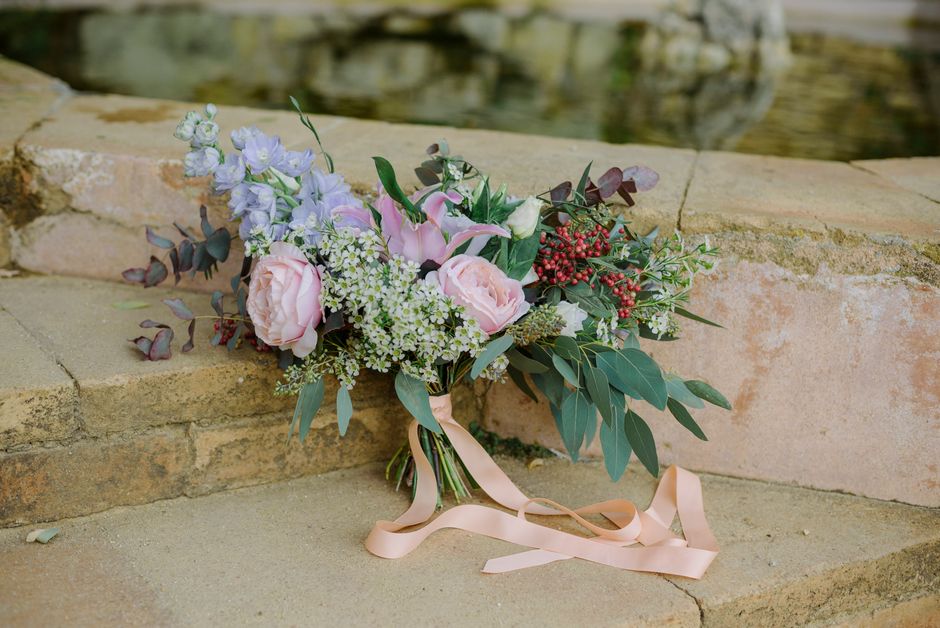
Common Mistakes to Avoid
Wedding flower plans tend to go wrong in familiar ways. Most are avoidable once you know what to look for.
- Ignoring the venue scale. Tiny arrangements can disappear in big historic rooms, while oversized designs can crowd smaller spaces.
- Ordering too many different styles. A mixed design can be beautiful, but too many competing shapes can make the day feel visually noisy.
- Forgetting the practical order of use. If the bouquet needs to be available for photos before the ceremony, it should not be locked away in a separate room.
- Leaving buttonholes and corsages until the end. These small items matter more than people expect, especially in family photographs.
- Not checking where flowers are going after the ceremony. Reusing arrangements can save money, but only if the plan is clear.
There is also a mental trap: trying to make the flowers do everything. They do not need to carry the whole wedding. They just need to do their job well. The venue, the light, the clothing, and the flowers together create the atmosphere. That is enough.
And if you are feeling torn between styles? You are not alone. Most couples change their minds at least once. Sometimes twice. Fairly normal, really.
Tools, Resources and Recommendations
You do not need complicated software to plan wedding flowers, but a few simple tools make the process much easier.
- Inspiration board: collect a small number of images that show shape, colour, and mood rather than just random pretty flowers.
- Venue notes: keep a checklist of access times, room changes, and any restrictions on placement.
- Budget split: decide early how much goes to the bouquet, ceremony, tables, and extras.
- Guest count and table layout: these directly affect how many arrangements you need and where they should go.
- Seasonal preferences: note which flowers you love, then ask what will be naturally available near your date.
For couples wanting a straightforward selection process, browsing through specialist wedding pieces can help narrow choices quickly. The site's broader collections such as Luxury Flowers and Best Sellers can also help you spot recurring styles that feel right for the day.
If you are planning bridal gifts, thank-you flowers, or post-wedding arrangements, it can be useful to keep the relationship with your florist going beyond the wedding itself. A good local florist is often the calm, dependable person who quietly solves the awkward bits. Which, to be fair, is half the job.
Law, Compliance, Standards, or Best Practice
Wedding floristry does not usually involve complicated legal rules for the couple, but there are still sensible standards and best practices to respect, especially in historic venues.
Venue permissions matter. Some buildings and grounds have restrictions on candles, confetti, adhesive materials, or where floral items can be installed. If the setting is historic, access rules may also be stricter to protect stone, flooring, or heritage features. Always confirm what the venue allows before agreeing a design.
Health and safety should be taken seriously. Arrangements must not block exits, create trip hazards, or interfere with movement through the venue. Tall stems, cables for any associated features, and loose petals on steps all need thought.
Professional handling is best practice. Flowers should be transported carefully, kept fresh, and placed securely. If anyone is using ladders, heavy props, or elevated displays, they should do so with proper care and venue approval.
Allergy awareness is considerate. If you or key guests are sensitive to strong scent or pollen, say so early. Lilies, for example, can be beautiful but not always ideal for every wedding party. This is one of those quiet details that prevents avoidable discomfort.
Contract clarity helps. Even for small weddings, it is sensible to confirm what is included, how changes are handled, what happens if a flower is unavailable, and when the final details are due. The calmer and clearer the agreement, the easier the wedding week becomes.
In the UK, the practical norm is simply this: use responsible floristry, respect the venue's rules, and make sure the design is safe, stable, and agreed in advance. Not exciting, perhaps. Very useful, definitely.
Options, Methods, or Comparison Table
Choosing the right floral approach often comes down to how much structure you want and how much of the day flowers need to cover. Here is a simple comparison that may help.
| Approach | Best for | Strengths | Watch-outs |
|---|---|---|---|
| Minimal classic | Small weddings, lower budgets, clean styling | Elegant, simple to manage, cost-conscious | Can feel too light in large historic spaces |
| Romantic garden-style | Soft, natural, seasonal weddings | Feels warm and organic, photographs beautifully | Needs careful colour control to avoid looking messy |
| Formal luxury | Statement weddings, larger ceremonies | Strong impact, polished finish, excellent focal points | Usually costs more and requires tighter planning |
| Mixed practical | Couples who want balance | Good value, flexible, easier to adapt to the venue | Needs discipline so it does not become visually busy |
For many Castle Hill and Berkhamsted Castle weddings, the mixed practical route is the sweet spot. It gives you enough presence for the venue without forcing every corner to be packed with flowers. You can concentrate your most beautiful pieces where they will actually be seen.
Examples of useful supporting items include buttonholes, corsages, and table arrangements that echo the bouquet rather than competing with it.
Case Study or Real-World Example
Here is a realistic example, based on the kind of brief many couples bring to a castle-style venue.
A couple wanted a spring wedding with a refined, romantic feel. The venue already had strong stonework and a formal atmosphere, so they decided against anything overly bright or sprawling. Instead, they chose a palette of white, blush, and soft green. The bouquet was full but not oversized, with the bridesmaids carrying smaller, simpler versions. Buttonholes were kept neat and understated.
For the ceremony, they used two focal arrangements positioned where guests would naturally look during the vows. Reception tables had lower designs so guests could talk without peering around flowers like they were in a hedge maze. That small detail made a big difference. The room felt dressed, not crowded.
What worked best? Consistency. The bouquet, ceremony flowers, and table pieces all shared the same mood, but none of them tried to outshine the others. The flowers supported the day instead of taking it over. That is usually the sweet spot in a historic venue.
The couple also planned a reuse step, moving some florals from ceremony to reception after the formalities. That stretched the value of the budget and kept the room feeling fresh later in the day. Sensible, simple, done.
Practical Checklist
Use this before you finalise your wedding flower plan.
- Confirm the ceremony and reception layout
- Check venue access times for delivery and set-up
- Choose the overall mood and colour palette
- List the essential items first: bouquet, bridesmaids, buttonholes, tables
- Decide whether you need ceremony focal flowers or a backdrop
- Consider scent and allergy sensitivities
- Ask how flowers will be transported and stored
- Agree what happens if a flower variety is unavailable
- Confirm who receives the flowers on the day
- Plan whether arrangements can be reused after the ceremony
- Review the final design against the venue style one last time
If you can tick most of those off, you are in good shape. The rest is refinement.
Get a free quote today and see how much you can save.
Conclusion
The best Castle Hill and Berkhamsted Castle wedding flowers guide is not really about flowers alone. It is about making sure your choices fit the venue, the season, and the feeling you want the day to carry. Historic settings reward calm, thoughtful floristry. When the flowers are well matched to the space, everything feels more coherent, more elegant, and more personal.
Start with the venue, narrow the mood, keep the palette disciplined, and focus your budget on the moments people will actually see. That approach is simple, but it works. And if you still feel unsure, that is perfectly normal. Weddings bring a lot of decisions at once, and flowers are one of the nicer ones to solve. Let them be a pleasure, not a pressure.
In the end, the right flowers should make you feel like the day has found its shape. That quiet, lovely feeling when it all just clicks. That is the one to aim for.
Frequently Asked Questions
What flowers work best for Castle Hill and Berkhamsted Castle weddings?
Soft romantic flowers, refined roses, lisianthus, orchids, and seasonal garden-style blooms usually work well because they complement historic surroundings without overpowering them. The best choice depends on the season and the venue's colour palette.
How far in advance should I book wedding flowers?
As early as you comfortably can, especially for popular wedding dates. Booking ahead gives time to plan the style, confirm venue logistics, and secure seasonal flowers where possible. Leaving it too late tends to narrow your options.
How many floral arrangements do I really need?
That depends on your venue layout and budget. Most couples prioritise the bouquet, bridesmaid bouquets, buttonholes, ceremony focal pieces, and table arrangements. Extras are lovely, but they should serve the day rather than create pressure.
Can I reuse ceremony flowers at the reception?
Yes, often you can. It is a sensible way to stretch the budget and keep the venue feeling fresh. The key is to plan the move in advance so someone knows exactly when and where each arrangement goes.
Are white flowers always the safest option for castle weddings?
White is popular because it feels classic and works in many historic settings, but it is not the only good choice. Soft pinks, greens, blush, purple accents, and even deeper tones can look excellent if they suit the room and the season.
What should I avoid in a historic venue?
Avoid anything that could damage surfaces, block guest movement, or look too large for the space. It is also wise to check venue restrictions before planning candles, hanging pieces, or heavily installed displays. Better safe than scrambling later.
Do I need a florist who specialises in weddings?
It helps a lot. Wedding floristry involves timing, coordination, and venue awareness, not just making pretty arrangements. A florist with wedding experience is more likely to manage the day smoothly and suggest sensible alternatives if plans shift.
How do I choose between a formal and garden-style look?
Look at the venue and your clothing style, then decide what feels most natural. Formal designs work well when you want something polished and elegant. Garden-style florals are ideal if you want softness, texture, and a slightly more relaxed mood.
Will strong-scented flowers be a problem?
They can be for some guests, especially in enclosed spaces. If anyone has allergies or sensitivity to scent, mention it early. A good florist can suggest beautiful alternatives that keep the look without overwhelming the room.
What is the biggest mistake couples make with wedding flowers?
The most common mistake is not matching the scale of the flowers to the venue. A design that looks lovely in one setting can feel too small or too busy in another. Starting with the space usually prevents that problem.
Can I keep my wedding flowers simple and still make an impact?
Absolutely. A simple scheme can be very effective if the flowers are well chosen and placed in the right spots. One strong bouquet, neat buttonholes, and a few elegant focal pieces can do more than a crowded, overcomplicated design.


